Why We Ditched Plastic Plates for Nontoxic Mealtime Gear
A guide to nontoxic kids’ mealtime gear that’s actually safe, durable, and mom-approved.
This post may contain affiliate links, which means I may earn a small commission at no additional cost to you. I only share products we actually use in our home and genuinely love.
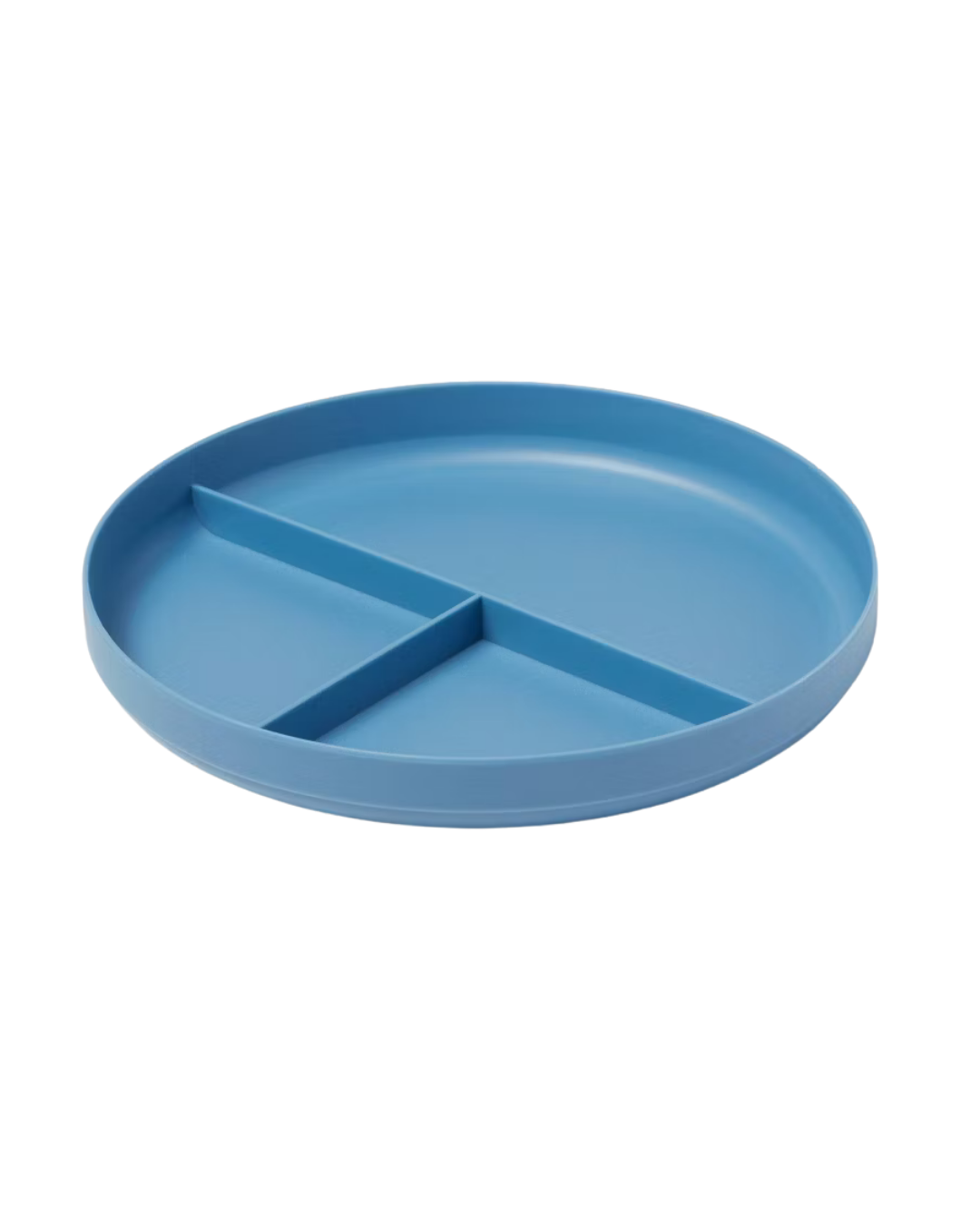
Years ago, I didn’t pay much attention to what our kids’ plates were made of. If it was marketed for toddlers, I assumed it was fine. So when I first started buying mealtime gear for my kids, I did what most parents do: I grabbed the colorful, affordable plastic sets that were everywhere. You know the ones — bright colors, lightweight, stackable, and super cheap. They seemed perfectly fine. Safe, even.
And for a while, I didn’t think twice about it.
But then I started noticing something.
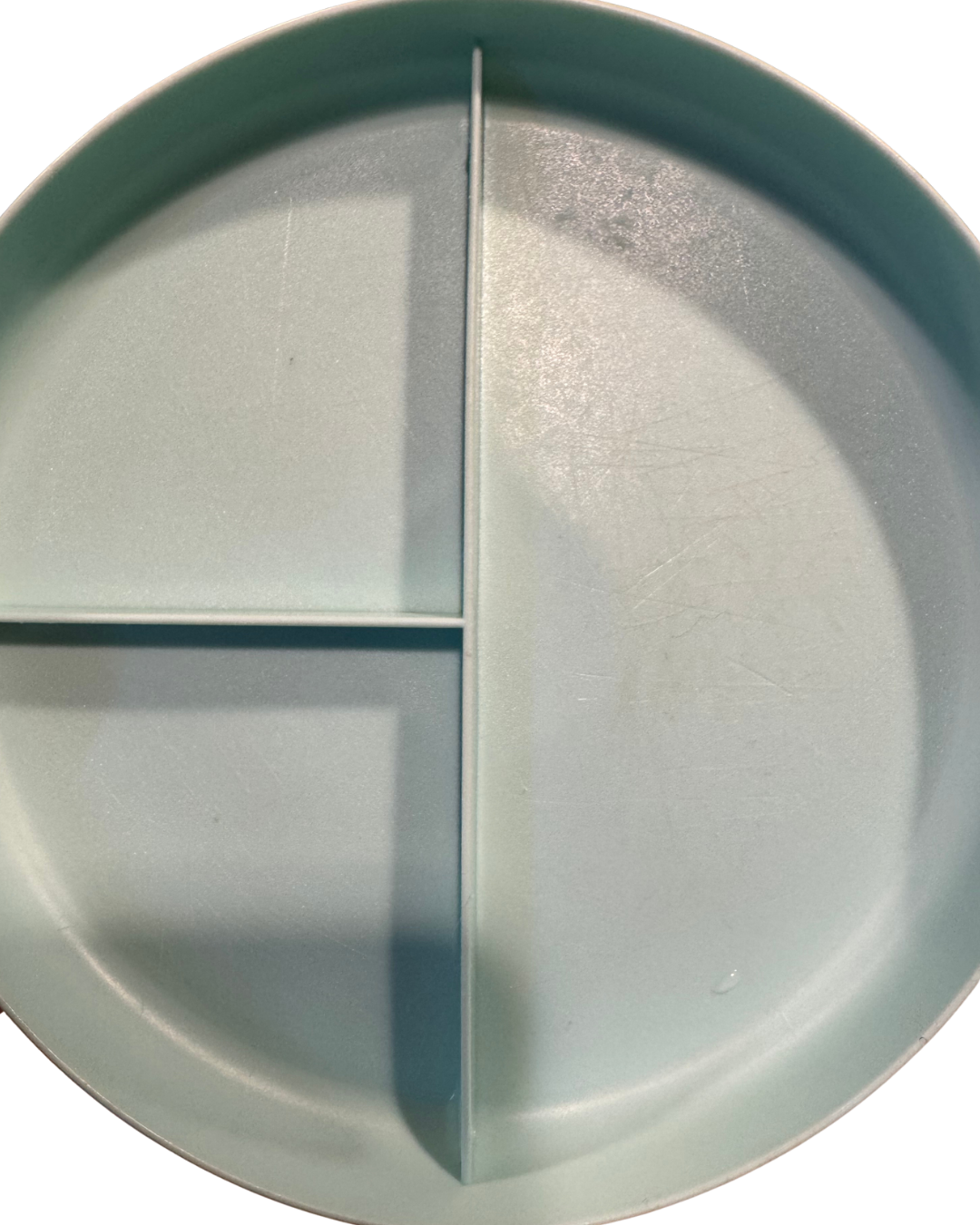
The plates were getting scratched. Not just a little worn, but visibly cut up from me slicing my kids’ food directly on them. The bottoms looked cloudy from the dishwasher. And I had microwaved leftovers on them more times than I could count.
At some point I paused and thought, what is actually happening to this plastic over time?
That question sent me down a rabbit hole I wasn’t expecting.
The Problem with Plastic Mealtime Gear
Here’s what I learned about why plastic dishes for kids aren’t as safe as we’ve been led to believe.
Plastic isn’t static. It breaks down with friction, heat, and repeated washing. Every time we cut food on a plastic surface, we’re creating tiny abrasions. Over time, those abrasions can release microplastic particles directly into the food sitting on top of it.
Heat makes this significantly worse. Even plastics labeled “microwave safe” can leach chemical additives into food when warmed. BPA is the one most people recognize, but here’s the thing — many BPA-free plastics contain structurally similar compounds like BPS or phthalates that behave the same way in the body. These chemicals are used to make plastic durable or flexible, but they are also classified as endocrine disruptors, meaning they can mimic or interfere with hormones — even at low levels of exposure.
I’m not saying that one reheated meal on plastic is catastrophic — it’s not. But toddlers eat off these plates three times a day, every single day. That’s a significant amount of cumulative exposure, and that repeated daily contact is what made me start looking for better options.
And on a practical level, once a plate looks visibly scratched, it’s harder to truly clean. Those grooves are not something I feel great about.
What We Switched To
After researching a few different brands, we landed on this one for our kids and I haven’t looked back. They check all my boxes: safe materials, durable for everyday use, and actually cute.
Here are the nontoxic mealtime alternatives we use every single day:
Stainless Steel Plates + Bowls
Food grade stainless steel
No coatings to wear down
Lightweight enough for toddlers
Dishwasher safe
They don’t scratch the way plastic does, and I don’t worry about cutting food directly on them.
Some sets also come with silicone bases or dividers, which are helpful if you have kids who like their food separated.
When shopping, look for plates made from food-grade stainless steel (18/8 or 304 grade is ideal). Avoid any that have a painted or coated interior, since coatings can chip over time and defeat the purpose of switching away from plastic.
Glass Cups with Silicone Sleeves
These are our go-to cups for when we’re home.
We moved away from plastic cups and transitioned to glass cups with protective silicone sleeves. The sleeve adds grip and some shock absorption, and the straw tops are great for little ones learning to drink independently.
They feel sturdier, they clean better, and honestly, they look nice on the table.
The silicone sleeve is key — it insulates against temperature and gives little hands something to grip. Look for cups with a silicone straw or a sippy lid option for younger toddlers, which makes the transition from a bottle or sippy cup much easier.
Porcelain Plates for Bigger Kids or Adults
For older kids and family meals, we use porcelain or ceramic. Elk and Friends makes durable porcelain plates that come with a silicone sleeve if you want specific toddler plates, but we just give our older kids the same plates that we have! Why not!?
One thing to keep in mind with ceramic and porcelain: always make sure it’s labeled lead-free and cadmium-free. Most reputable brands will call this out clearly, but it’s worth double-checking — especially for plates used by young children.
What About Silicone?
Silicone is one of those materials you see a lot in kids’ dishes and cups, and I get why—it’s soft, flexible, and much less likely to leach chemicals compared with plastic. If you go the silicone route, always look for 100% food-grade silicone — not silicone blended with fillers. A quick “pinch test” can help: pinch and twist the silicone; if it turns white, it may have fillers mixed in.
We actually use silicone cups and plates for all of my babies when we are just starting solids. It’s lightweight, easy to grip, and I didn’t have to worry about little hands breaking it.
All of our starting solids favorites can be found here!
That said, I don’t love it as much as stainless steel, porcelain, or glass long term. Silicone doesn’t scratch the way plastic does, which is great, but it can stain, and it doesn’t have the same durability over the years. But for things like baby spoons, cups, or snack plates, it’s a solid option if you’re not ready to go straight to metal or glass.
For us, silicone was a transitional tool—a way to move away from plastic without making a huge leap all at once. But once the kids were older, we moved them onto stainless steel and glass for everyday use. And the more I learned about microplastics, the more glad I was that we made the switch when we did.
The Dangers of Microplastics: What the Research Says
The concern about plastic dishes goes way beyond what we can see. Microplastics (tiny plastic fragments less than 5 millimeters in size) have become one of the most studied environmental and health topics in recent years, and the findings are hard to ignore as a parent.
A 2023 study published in Environmental Science & Technology found that when plastic containers were subjected to heat (such as microwaving), they released anywhere from hundreds of thousands to millions of microplastic and nanoplastic particles per square centimeter of surface area. Another widely cited study in the journal Nature Food (2021) estimated that infants and toddlers consuming food from polypropylene plastic containers could ingest up to 2.2 million microplastic particles per day — simply from the normal act of eating.
What makes this especially concerning is that microplastics don’t just pass through the body harmlessly. Research published in Environmental Health Perspectives has linked microplastic exposure to inflammation, hormonal disruption, and potential impacts on gut health. Many plastics also contain chemical additives — like BPA, BPS, and phthalates — that are classified as endocrine disruptors, meaning they can interfere with hormone signaling even at low levels of exposure. Children, whose bodies and endocrine systems are still developing, are considered most at risk.
A landmark 2024 study published in the New England Journal of Medicine found microplastics embedded in human cardiovascular tissue and associated their presence with a significantly higher risk of heart attack, stroke, and death. While this particular study focused on adults, it underscored just how pervasive microplastic accumulation in the human body has become — and how important it is to reduce exposure wherever we can, starting early.
Switching to stainless steel, glass, and ceramic dishes for kids is one of the most direct ways to reduce microplastic ingestion at mealtime. It won’t eliminate all exposure — microplastics are unfortunately everywhere now — but mealtime is one place where we genuinely have control, and it’s a change that’s easy to make once you know what to look for.
You Don’t Have to Do This All at Once
If your kitchen is full of plastic right now, that’s okay.
We replaced items gradually. When a plate started looking scratched and worn, we didn’t repurchase plastic. We upgraded.
That’s it.
Motherhood has enough pressure without feeling like you need to overhaul your entire house in a weekend. But if your kids are eating off the same surfaces daily, it’s worth thinking about what those surfaces are made of.
Small swaps add up. A good rule of thumb: replace any plastic plate that looks visibly scratched, cloudy, or discolored. Those are signs the plastic is breaking down — and that’s exactly when it becomes most problematic.
My Full List of Nontoxic Mealtime Favorites
If you want a starting point, I put together a list of everything we use and love for kids’ meals. It includes our Elk and Friends staples plus a few other tried and true options.
You can find the full list with links here.
If your plastic plates are starting to look cloudy, scratched, or worn, let that be your cue. You don’t need to panic. Just start with one swap.
Future you will be glad you did.